
Discover everything you need to know about your treatment, recovery, and travel plans.
Have more questions — or simply curious about your possibilities? Reach out or book a consultation to talk directly with Dr. Uslu.
How do I book a consultation?
You can book online or contact our team to schedule a suitable time. We’ll guide you on the best format (in-person or online) based on your needs.
Do you offer online consultations?
Yes. Online consultations are available for patients who prefer to start the process remotely or are traveling from abroad.
How do I know which procedure is right for me?
During consultation, we evaluate your anatomy, goals, and medical history, then recommend the safest option to achieve refined, natural results.
Are results guaranteed?
Medicine is not a guaranteed product. We focus on safety, precision, and realistic planning to achieve the best possible outcome for your anatomy.
What is the typical recovery time?
Recovery depends on the procedure. We provide a clear timeline and aftercare plan tailored to your treatment.
Will there be visible scars?
Our techniques prioritize discreet incision placement. Scars typically fade over time and become difficult to notice.
Is anesthesia required?
Some treatments are performed under local anesthesia; others require sedation or general anesthesia. This is decided based on the procedure and your safety.
When can I return to work?
Many patients return within days for non-surgical treatments and within 1–2 weeks for common surgeries, depending on swelling and your profession.
Can I combine procedures?
In selected cases, yes. Combining procedures may reduce overall downtime—but it must be medically appropriate and safe.
What are the risks?
Every procedure has potential risks. We explain them clearly during consultation and plan to minimize them through careful technique and aftercare.
How should I prepare before surgery?
You’ll receive a checklist covering medications, smoking, supplements, lab work, and recovery planning.
Do you offer non-surgical alternatives?
Yes. If a non-surgical approach can achieve your goal safely, we will discuss options honestly.
How long do results last?
Longevity depends on the procedure, your anatomy, lifestyle, and aging process. We aim for results that remain natural over time.
What if I have a medical condition?
We evaluate your full medical history and may request clearance from your physician when needed.
Will my face still look like me?
Yes—our aesthetic philosophy is refinement, balance, and natural expression, not a “different person” look.
What is rhinoplasty?
Rhinoplasty reshapes the nose to improve facial harmony and—when needed—support breathing.
What’s the difference between aesthetic and functional rhinoplasty?
Aesthetic focuses on appearance; functional focuses on breathing/structure. Many cases include both.
Will my nose become smaller?
Often, yes—if reduction supports better proportion. The priority is balanced refinement and stable structure.
How do you plan the nose shape?
We assess facial proportions, skin thickness, cartilage strength, and your goals, then plan a realistic, natural result.
Do you use digital simulation?
If appropriate, we can use simulation as a communication tool to align expectations (it is a guide, not a guarantee).
Open vs closed rhinoplasty—what’s the difference?
Open uses a small external incision for visibility; closed uses internal incisions only. Choice depends on your anatomy and complexity.
How long does surgery take?
Commonly 2–4 hours, depending on complexity.
Is rhinoplasty painful?
Most patients describe pressure and congestion rather than severe pain. We manage comfort carefully.
Will I have a cast?
Yes, typically for about a week, depending on the technique used.
When does swelling go down?
Swelling reduces significantly within weeks, but refinement continues for months.
When will I see final results?
Many patients see a strong improvement early, but final refinement can take up to 12 months (sometimes longer for thick skin).
Will there be bruising?
Bruising varies. Many patients have mild to moderate bruising that improves within 1–2 weeks.
Can rhinoplasty improve breathing?
Yes—when structural issues like septal deviation or valve collapse are addressed.
What are common risks of nasal surgery?
Possible risks include swelling, bruising, bleeding, infection, and temporary breathing difficulty—your surgeon will review all risks in detail.
Will I have nasal packing?
Sometimes. If used, it’s usually removed early (often the next day) and helps control bleeding.
What is revision rhinoplasty?
A secondary procedure performed to improve structure, function, or aesthetics after a previous rhinoplasty.
When can revision rhinoplasty be done?
Usually after full healing—commonly 12 months—unless there’s a specific medical reason to intervene earlier.
Can thick skin affect results?
Yes. Thick skin may require a stronger structural plan and more time for definition to show.
Will my nose look natural from the front and side?
That is the goal—balanced refinement from every angle, not a “surgery look.”
Will my smile change?
Temporary stiffness can happen early. Normal movement typically returns as swelling resolves.
When can I exercise?
Light walking early; heavier exercise typically after a few weeks, based on your healing.
When can I wear glasses?
Usually after early healing. We provide solutions to avoid pressure during the critical period.
Can I travel after rhinoplasty?
Yes, but timing matters. We advise the safest travel window based on your swelling and follow-ups.
Will I need massages or taping?
Only if indicated. We give personalized instructions—no unnecessary routines.
How do I know if I’m a candidate?
If you’re healthy, have realistic expectations, and want refined aesthetic and/or functional improvement, you may be a suitable candidate—confirmed during consultation.
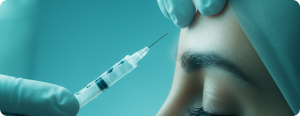
What is Botox?
Botulinum toxin relaxes targeted muscles to soften expression lines and create a smoother, more rested look.
When do results start?
Often within a few days, with full effect commonly around 1–2 weeks.
How long does Botox last?
Typically around 3–4 months, varying by metabolism and area.
Will I look “frozen”?
Our approach is controlled precision—softening lines while preserving natural expression.
What areas can be treated?
Common areas include forehead, crow’s feet, and brow area—plus masseter, neck bands, and medical indications when appropriate.
Is Botox safe?
When performed by an experienced medical professional, it is widely used with a strong safety profile.
Does Botox hurt?
Discomfort is minimal. The needles are very fine and treatment is quick.
What should I avoid after Botox?
Avoid heavy exercise, rubbing the area, and lying flat for several hours (we provide exact guidance).
What is a “Brow Lift” with Botox?
A subtle lift achieved by relaxing specific muscles to open the eye area naturally.
What is Masseter Botox?
It reduces overactivity in jaw muscles for a softer lower-face contour and may help clenching in suitable cases.
What is the Nefertiti Lift?
A technique using injections along the jaw/neck to soften bands and support a cleaner jawline.
Can Botox treat excessive sweating?
Yes—Botulinum toxin can reduce sweating in targeted areas, with many patients noticing improvement within 7–10 days.
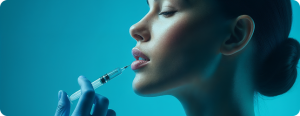
What are fillers used for?
Fillers restore volume, refine contours, and enhance facial balance (cheeks, lips, under-eye, jawline, chin).
Will fillers look natural?
Yes—when done conservatively with facial harmony as the priority.
Can Botox and fillers be combined?
Yes, often with excellent synergy—Botox for movement lines, fillers for structure/volume.
What is a facelift?
A facelift repositions facial tissues to improve sagging and restore a more youthful contour.
What is an endoscopic facelift?
A minimally invasive approach using small hidden incisions and a camera to lift targeted areas with precision.
What is a deep plane facelift?
A technique that lifts deeper facial layers for a more natural, longer-lasting contour improvement.
Will I look “pulled”?
Our goal is natural rejuvenation—lifted, refined, and expressive.
Where are the scars?
Incisions are placed strategically around the hairline/ear area to remain discreet as they heal.
How long is recovery?
Most patients plan 2–3 weeks of social downtime, depending on swelling and bruising.
How long do results last?
Longevity varies, but facelifts are designed to provide long-lasting improvement while still aging naturally.
What areas improve most?
Cheeks, midface, jawline, and neck—depending on technique.
Is it painful?
Most patients describe tightness and swelling rather than severe pain; we manage comfort carefully.
Can a facelift be combined with eyelid surgery?
Yes, in selected cases, combining can create a more harmonious overall result.
What is the best age for a facelift?
There is no perfect age—candidacy depends on anatomy and the degree of laxity.
How do I choose between endoscopic vs deep plane?
It depends on where the laxity is and how much lift you need—confirmed during consultation.
When can I return to work?
Often within 2 weeks for desk work; longer if public-facing and you want swelling to settle more.
Is a facelift a weight-loss procedure?
No. It refines contour by repositioning tissues
Online Consultation with Dr. Kemal Uslu
Start your transformation with a 20–30 minute online consultation directly with Dr. Kemal Uslu. Get expert advice, answers to your questions, and a clear treatment plan — all from home.
01
Send your photos via WhatsApp or email using our guide
02
Fill out a short medical form about your goals and concerns
03
Schedule a video call (20–30 minutes) with Dr. Kemal Uslu
04
Discuss your case in detail, ask questions, and receive evaluation
Consultations are available in multiple languages, with translator support if needed.
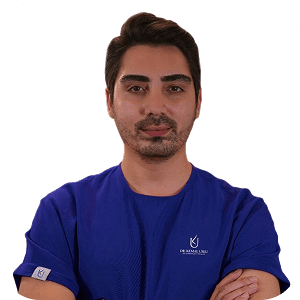
Your journey begins with one conversation - book your online consultation today.
Dr. Kemal Uslu in media