Functional Rhinoplasty

Dreaming of easy breathing? Functional rhinoplasty can make it real.

Understanding the Surgery 

Functional Rhinoplasty is similar to Cosmetic Rhinoplasty in length of surgery and recovery. The surgery is usually a day surgery, lasting 2-4 hours, with minimal incisions, usually with no packing, and with soft splints inside the nose and a splint on the outside removed 5-7 days after surgery. Most often stitches are bio-degradable.

Timeline

Rhinoplasty scheduler

Day -1

Arrival in Istanbul & in-person consultation
Day 0
Surgery day
Day 7
Cast, splint & tape removal (New light cast applied)
Day 8
Return home
Day 12
Final cast removal at home
1, 2, 6, 12 & 24 months
Online follow-ups

Rhinoplasty recovery follows a carefully structured timeline, designed to promote safe healing and refined, long-term results. While every patient’s experience is unique, most progress through these clearly defined stages. From the initial preparation to the final follow-ups, we accompany you at every step — before, during, and after surgery — ensuring clarity, confidence, and attentive care throughout your journey. Precision in surgery. Clarity in recovery.

Functional Rhinoplasty

Vision

Dr. Kemal Uslu brings together artistic vision and surgical precision to achieve natural, balanced outcomes. With more than 12 years of focused experience in rhinoplasty and facial aesthetics, his work is guided by facial harmony, proportion, and subtle refinement.

Seamless Experience

Patient Journey

Functional Rhinoplasty
Step 1. Online Consultation
Our doctor will meet you via video call to collect your requirements.
Step 2. Treatment Proposal
Offer is detailed so no place for any surprise for both parties.
Step 3. Reservation Deposit
With 30% of down payment process officially starts.
Step 4. Surgery Date Confirmation
Operation day and time is booked by hospital.
Step 5. Travel Date Planning
At least 1 day before the operation, you need to be in Istanbul.
Step 6. Arrival in Istanbul
At least 1 day before the operation, you need to be in Istanbul.
Step 7. Clinical Photos & Nose Simulation
1 day before operation, our doctor will host you in our clinic for detailed surgery planning and simulation steps.
Step 8. Pre-Operative Preparation
1 day before operation, pre-op blood tests & anesthesia consultation in hospital.
Step 9. Surgery Day
Latest technique is used by our doctor to meet you with your dream nose.
Step 10. Hospital Discharge
You’ll only stay 1 night at the hospital.
Step 11. Splint & Cast Removal
Splint removal and cast renewing after 7th day of operation.
Step 12. Return Home
You’re allowed to flight after 7th day of operation.
Step 13. Online Follow-Up
30th, 60th, 180th, 360th and 720th day of operations, you’re invited for video call with our doctor for controls.
Step 1. Online Consultation
Our doctor will meet you via video call to collect your requirements.
Offer is detailed so no place for any surprise for both parties.
With 30% of down payment process officially starts.
Operation day and time is booked by hospital.
At least 1 day before the operation, you need to be in Istanbul.
1 day before operation, our doctor will host you in our clinic for detailed surgery planning and simulation steps.
1 day before operation, pre-op blood tests & anesthesia consultation in hospital.
Latest technique is used by our doctor to meet you with your dream nose.
You’ll only stay 1 night at the hospital.
Splint removal and cast renewing after 7th day of operation.
You’re allowed to flight after 7th day of operation.
30th, 60th, 180th, 360th and 720th day of operations, you’re invited for video call with our doctor for controls.

Vision

Dr. Kemal Uslu brings together artistic vision and surgical precision to achieve natural, balanced outcomes. With more than 12 years of focused experience in rhinoplasty and facial aesthetics, his work is guided by facial harmony, proportion, and subtle refinement.

real results

Before & After

Functional Rhinoplasty

Meet Dr. Kemal Uslu

ENT & HEAD AND NECK SURGEON

With over 12 years of experience, Dr. Kemal Uslu is an ENT and Head and Neck Surgeon with a refined focus on facial aesthetics. His clinical practice includes rhinoplasty, facelift procedures, buccal fat removal (bichectomy), blepharoplasty, otoplasty, and comprehensive facial rejuvenation treatments.
He is a member of the European Rhinologic Society, the Facial Plastic Surgery Association, and the Turkish Society of Otorhinolaryngology & Head and Neck Surgery. Dr. Uslu is also officially certified for international health tourism and welcomes patients from around the world.
Begin your transformation journey

Functional Rhinoplasty
Scroll to Top

Introduction

Anatomy of the nose

UNDERSTANDING STRUCTURES THAT AFFECT BREATHING

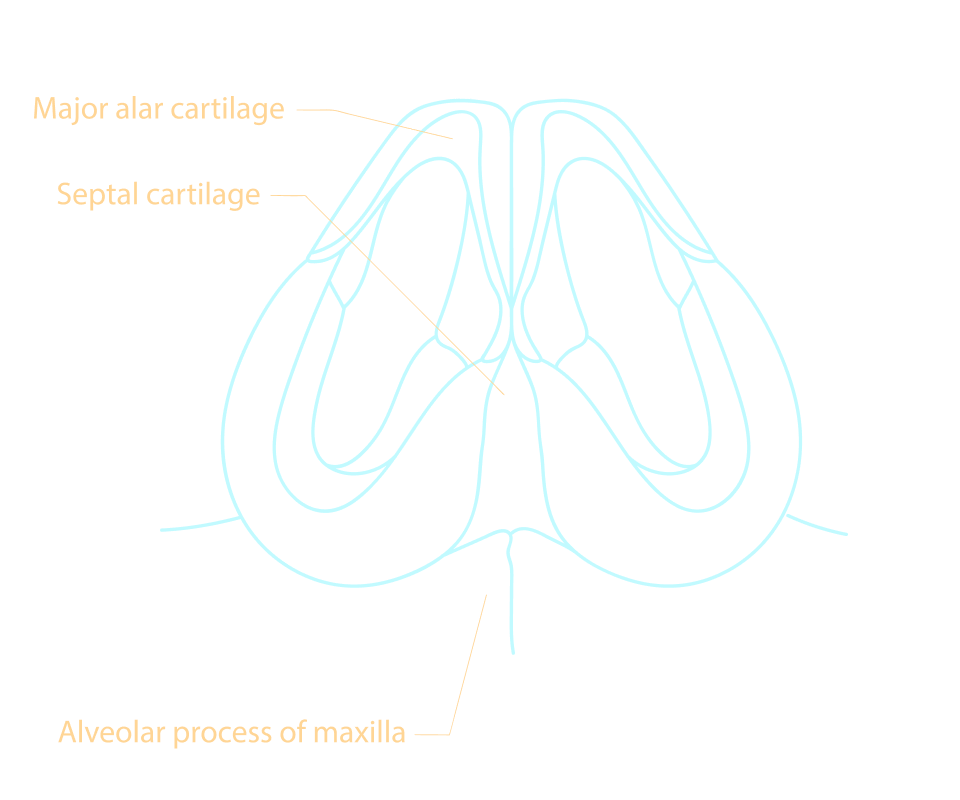
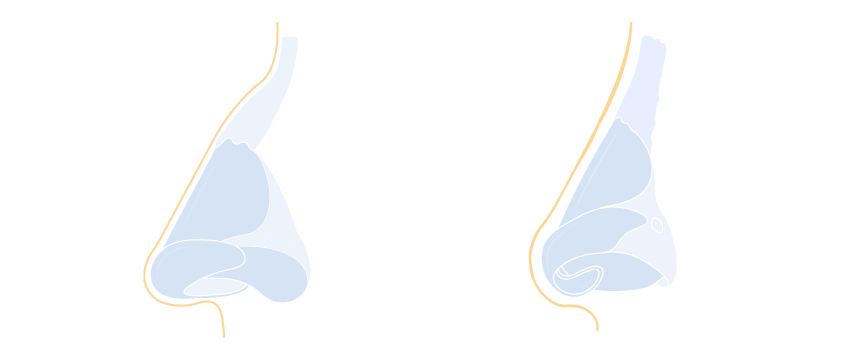
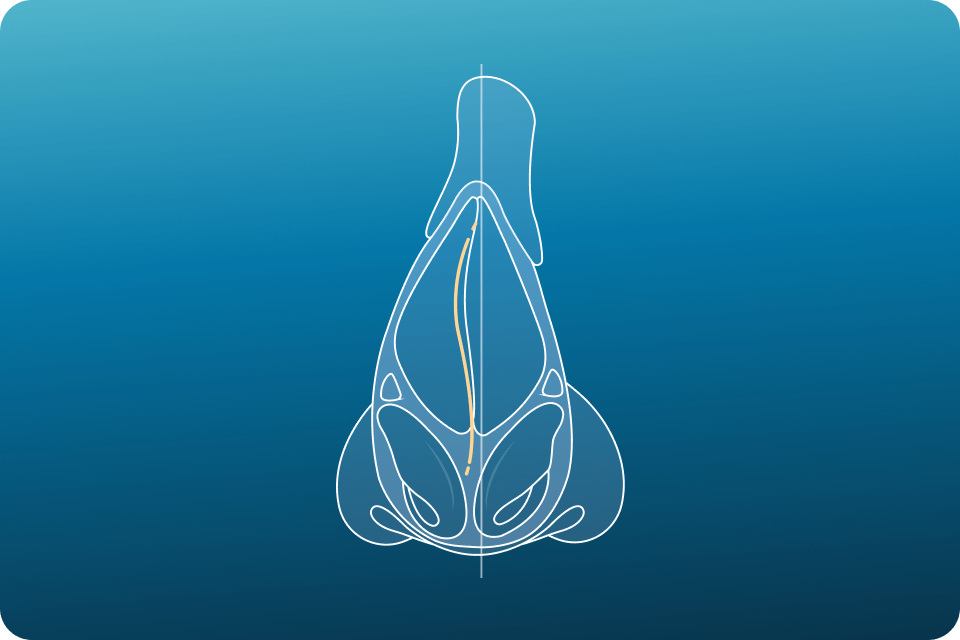
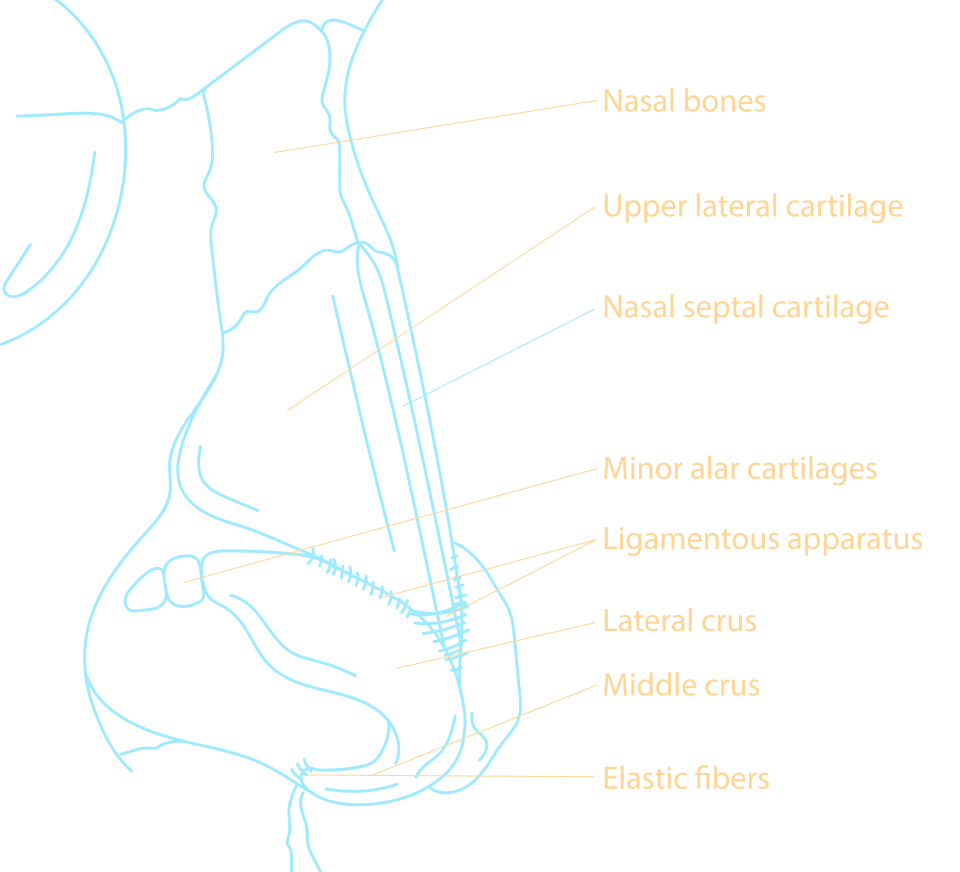
The nose is a complex functional organ responsible for airflow regulation, filtration, and respiratory efficiency. Successful functional rhinoplasty requires precise understanding of the internal nasal structures that directly influence breathing.
Key structures include:
  • Nasal septum – the central wall dividing the nasal passages
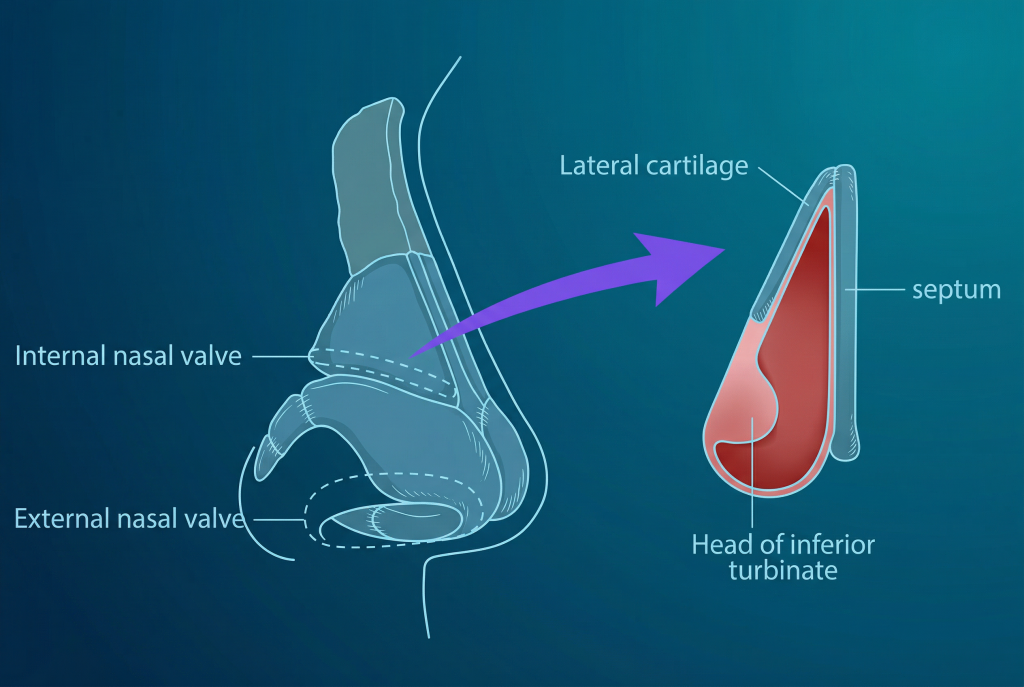
  • Nasal valves – the narrowest regions controlling airflow resistance
  • Turbinates – structures that warm, humidify, and filter air
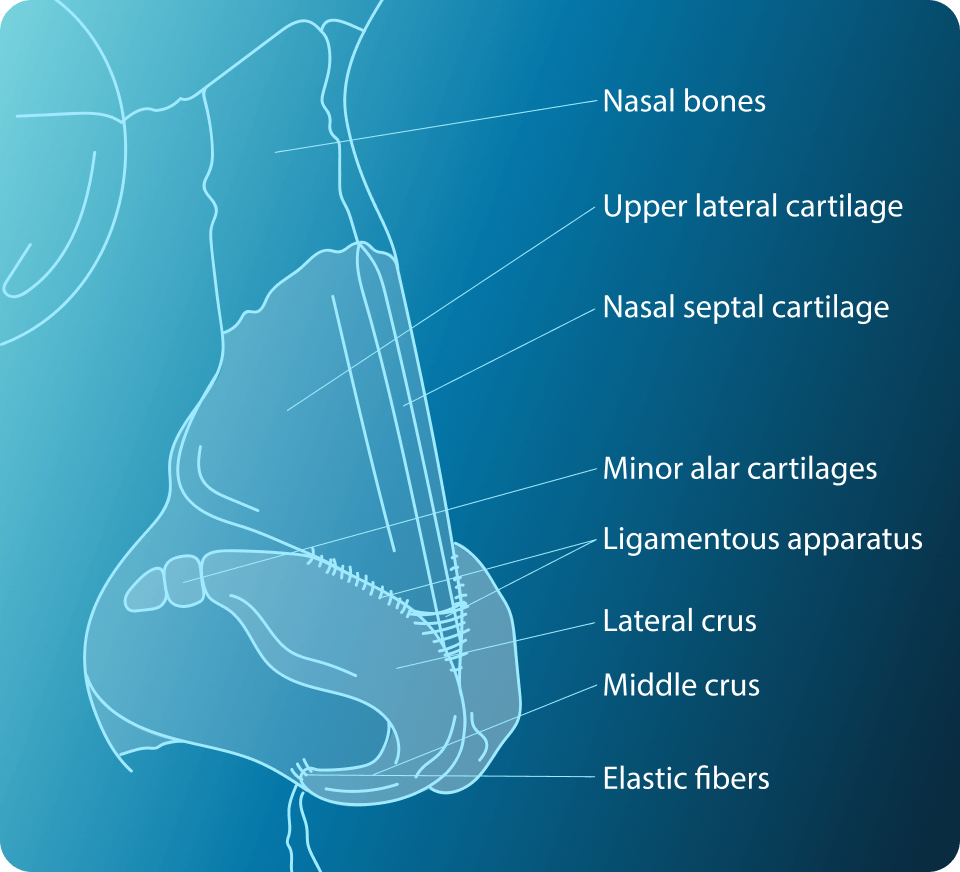
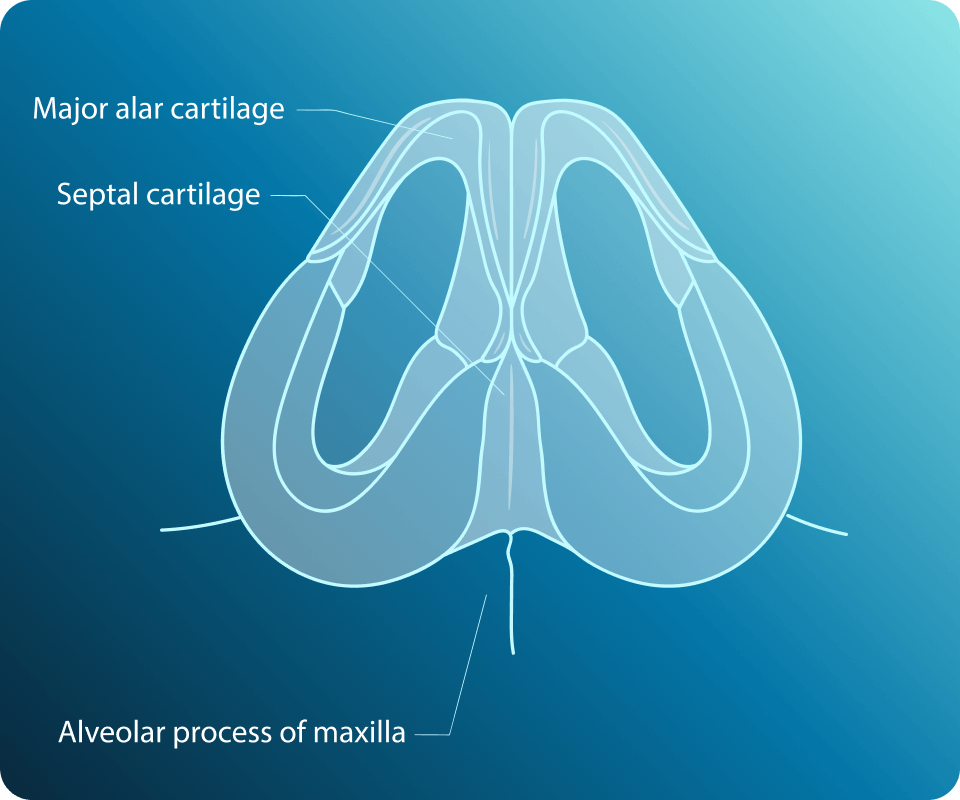
  • Cartilage framework – supports the nasal airway and prevents collapse
Restoring balance and stability within these structures is essential for long-term breathing improvement.

What is functional rhinoplasty?

BREATHING, AIRFLOW, AND NASAL FUNCTION

Functional rhinoplasty is a surgical procedure focused on improving nasal breathing by correcting internal structural problems of the nose. Its primary goal is to restore healthy airflow rather than change appearance.
By addressing anatomical issues that restrict airflow, functional rhinoplasty aims to improve breathing comfort, sleep quality, and overall daily function—while maintaining a natural external look.

Who is a candidate for functional rhinoplasty?

IDENTIFYING FUNCTIONAL BREATHING PROBLEMS

You may be a suitable candidate for functional rhinoplasty if you experience ongoing breathing difficulties caused by structural nasal issues.
Functional rhinoplasty may be recommended if you:
  • Have persistent nasal blockage or difficulty breathing through the nose
  • Experience breathing problems unrelated to allergies
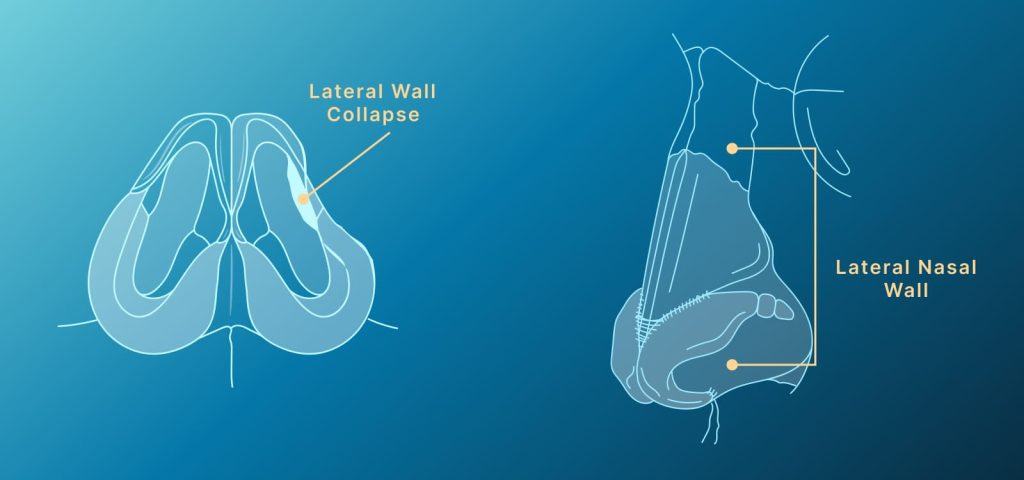
  • Have a deviated septum or internal nasal valve collapse
  • Notice breathing issues after nasal trauma or previous surgery
  • Snore, mouth-breathe, or feel short of breath during sleep or exercise
A thorough clinical examination is essential to identify the cause and determine the most effective functional correction.

Techniques

Surgical techniques in functional rhinoplasty

TARGETED CORRECTION FOR AIRFLOW IMPROVEMENT

Functional rhinoplasty involves advanced surgical techniques tailored to the specific cause of nasal obstruction.
Depending on the diagnosis, techniques may include:
  • Septal correction to straighten the nasal septum
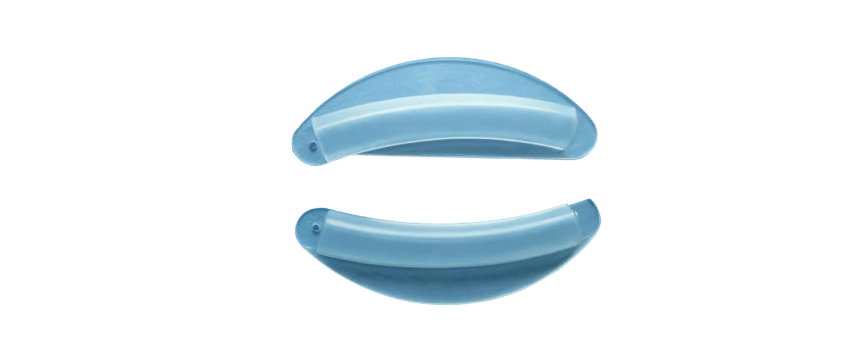
  • Nasal valve repair to prevent airway collapse
  • Structural grafting to support weakened areas
  • Turbinate reduction to improve airflow passage
Each technique is selected to restore function while preserving long-term nasal stability.

Functional Rhinoplasty Techniques

Restoring airflow through precise structural correction

Functional rhinoplasty is a specialized surgical approach focused on improving nasal breathing by addressing internal structural problems that restrict airflow. Unlike aesthetic rhinoplasty, the primary goal is not cosmetic change, but long-term functional stability and comfortable respiration.
Each functional rhinoplasty plan is individualized, based on detailed examination of the nasal airway, internal anatomy, and dynamic breathing patterns.

Septoplasty (Septal Realignment)

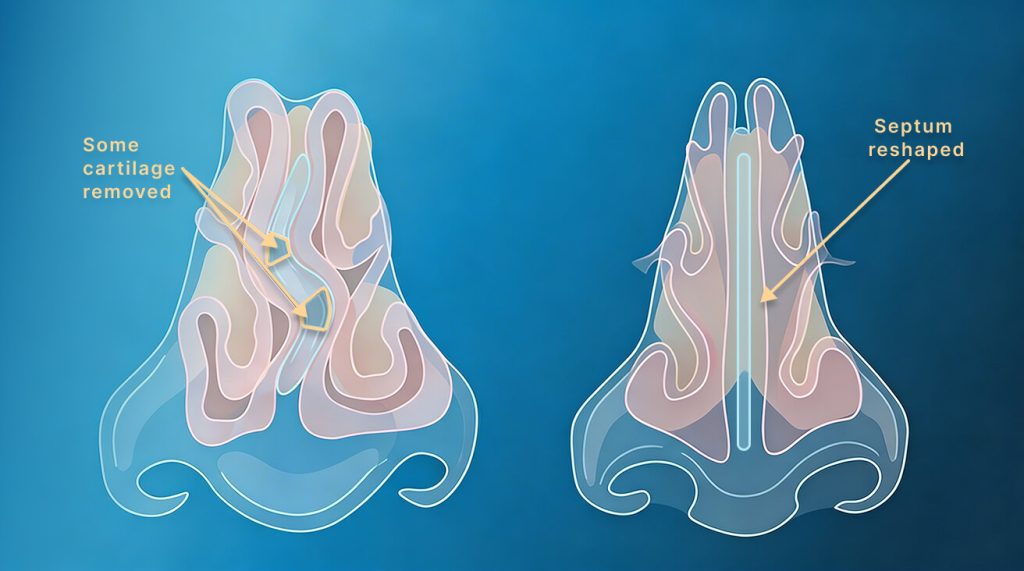
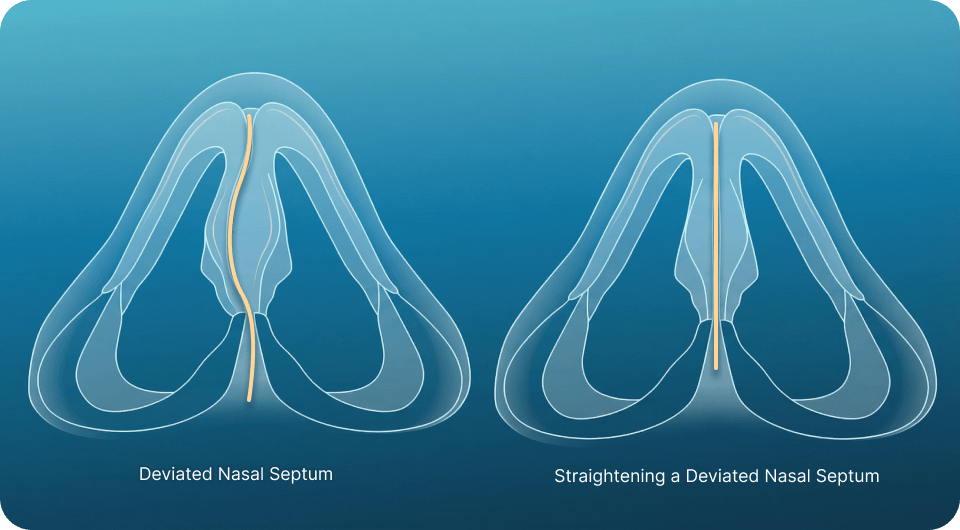
A deviated septum is one of the most common causes of chronic nasal obstruction. Septoplasty involves carefully repositioning and reshaping the nasal septum to create a more balanced airway.
Rather than aggressive removal, modern septoplasty preserves structural integrity while restoring symmetry and airflow. This ensures both immediate breathing improvement and long-term nasal support.

Nasal Valve Repair

The nasal valves are the narrowest and most critical areas of the nasal airway. Weakness or collapse in these regions — especially during deep breathing, exercise, or sleep — can significantly impair airflow.

Functional rhinoplasty addresses both internal and external nasal valve insufficiency using advanced support techniques. By reinforcing these areas, airflow resistance is reduced and breathing becomes more efficient and stable.

Structural Grafting for Airway Support

In many patients, nasal obstruction is caused not only by deviation but by insufficient internal support. Structural grafts are used to strengthen the nasal framework and prevent future collapse.
These grafts are carefully shaped and placed to support airflow without altering the external appearance of the nose. The focus is durability, balance, and maintaining a natural nasal function over time.

Turbinate Reduction (When Medically Indicated)

Enlarged turbinates can contribute to persistent nasal blockage even when the septum is straight. When appropriate, turbinate reduction may be performed to improve airflow.
This is done conservatively, preserving the turbinates’ essential role in humidifying, warming, and filtering inhaled air. The goal is functional relief without compromising nasal physiology.

Functional Revision Rhinoplasty

Patients who have undergone previous nasal surgery or experienced trauma may develop secondary breathing problems. In these cases, functional revision rhinoplasty focuses on rebuilding internal support and restoring airway stability.
Revision procedures require advanced anatomical understanding and meticulous planning, as the goal is to correct functional deficiencies while protecting existing structures.

A Personalized Functional Approach

No two airways are the same. The combination of techniques used in functional rhinoplasty is determined after a comprehensive evaluation, including internal examination and functional assessment.
The ultimate objective is clear, stable breathing—achieved through precise structural correction rather than cosmetic alteration.

Summary

Functional rhinoplasty is a form-driven surgical discipline where anatomy, airflow, and long-term stability guide every decision. When performed with expertise, it restores breathing comfort while preserving the nose’s natural structure and balance.

Process

The functional rhinoplasty process

FROM DIAGNOSIS TO BREATHING COMFORT

The functional rhinoplasty process begins with a detailed clinical evaluation of nasal airflow and internal anatomy.
The process typically includes:
  • Comprehensive nasal examination and functional assessment
  • Identification of structural causes of obstruction
  • Surgical correction focused on airflow restoration
  • Structured recovery and follow-up care
The objective is a stable, functional result that allows comfortable breathing in daily life.

Functional Rhinoplasty: Step-by-Step

Step 1
Anesthesia & Airway Safety
Functional rhinoplasty is performed under carefully selected anesthesia to ensure maximum comfort and airway safety throughout the procedure. The anesthesia plan is tailored to the patient’s health status and the complexity of the functional correction, allowing precise surgical control while maintaining optimal breathing support during surgery.
Step 2
Functional Access & Precise Incisions
All incisions are planned with a functional focus, prioritizing access to the internal nasal structures while minimizing tissue trauma. Depending on the anatomical needs, a closed or open approach may be used to allow accurate correction of airflow-limiting structures without unnecessary disruption.
Step 3
Evaluation of the Nasal Framework
Once access is achieved, the nasal framework is carefully assessed. Bone, cartilage, septal alignment, and nasal valve structures are evaluated together to identify the exact causes of airflow restriction and structural weakness.

Step 4
Structural Correction & Airway Optimization
This is the core stage of functional rhinoplasty.
Corrections may include:
  • Straightening of the nasal septum to restore central airflow
  • Reinforcement of weakened nasal valves to prevent collapse
  • Strategic cartilage grafting to improve long-term airway stability
  • Gentle reshaping of internal structures while preserving natural anatomy
Every adjustment is performed with the goal of improving breathing efficiency rather than altering appearance alone.
Step 5
Breathing Enhancement (When Indicated)
If additional functional issues are present, complementary procedures may be performed, such as:
  • Reduction of enlarged inferior turbinates
  • Refinement of internal nasal passages
These steps further enhance airflow while maintaining the nose’s natural humidifying and protective functions.
Step 6
Closure & Structural Preservation
After functional corrections are completed, the nasal skin and internal tissues are carefully repositioned over the optimized framework. Incisions are closed with precision to support healing while preserving both function and structural integrity.
Step 7
Internal Support & Healing Protection
Soft internal supports or splints may be placed to stabilize the corrected structures during early healing.
These supports help maintain airway patency and are typically removed within the first week, depending on the surgical plan.
Recovery & Functional Adaptation
Initial swelling gradually subsides as nasal tissues adapt to their new functional alignment. Breathing improvement is often noticeable early, while full stabilization of airflow and internal support continues to refine over the following months.

Deviation

Nasal Deviation refers to a misalignment of the nasal septum and/or nasal bones that can significantly impair airflow.
A deviated nose may result from trauma, congenital structure, or previous surgery. Beyond breathing difficulty, deviation can also affect facial symmetry.
Functional correction focuses on:
  • Straightening the septum
  • Realigning nasal bones
  • Restoring balanced airflow through both nasal passages
The goal is improved breathing while preserving or enhancing natural nasal harmony.

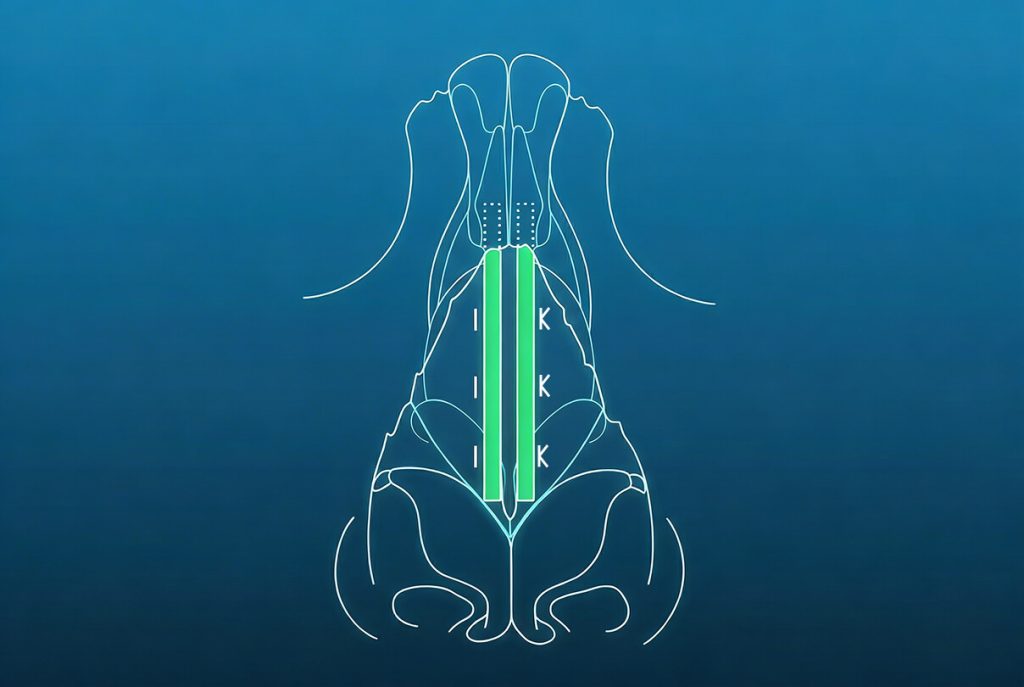
Septoplasty

Septoplasty is a functional surgical procedure designed to correct a deviated nasal septum—the wall separating the two nasal cavities.
When the septum is bent or displaced, it can cause:
  • Chronic nasal congestion
  • Difficulty breathing
  • Recurrent sinus infections
  • Sleep-related breathing issues
Septoplasty repositions and reshapes the septum to restore clear nasal airflow, often performed alone or combined with rhinoplasty when both function and form need correction.

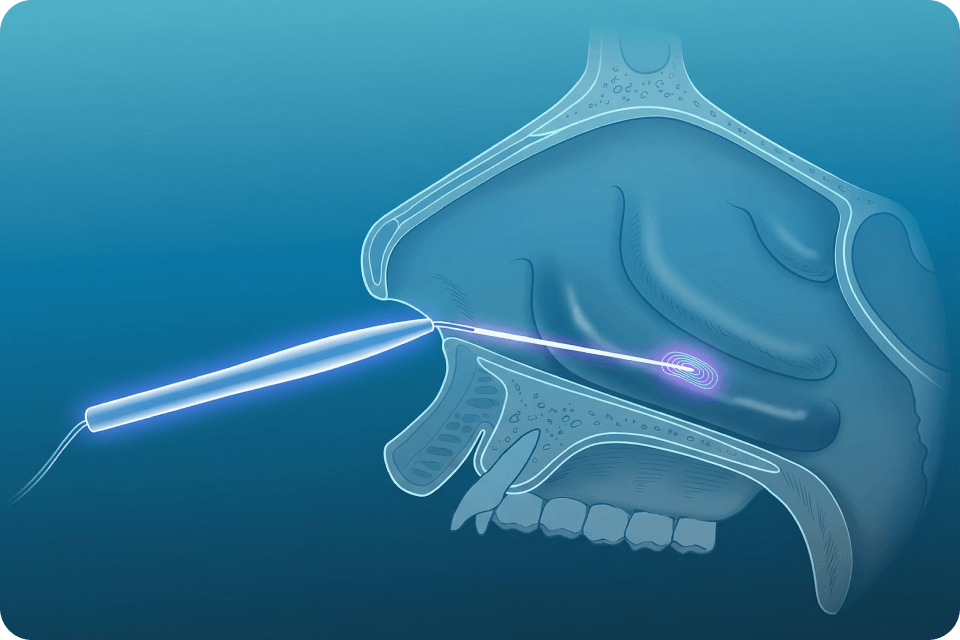
Radiofrequency Applications

Radiofrequency treatments are minimally invasive procedures used to reduce excess tissue inside the nose.
They are commonly applied to:
  • Enlarged turbinates
  • Soft tissue causing nasal blockage
This technique uses controlled energy to shrink tissue while preserving surrounding structures.
Benefits include:
  • No external incisions
  • Short recovery time
  • Improved nasal airflow
Radiofrequency applications are often performed as an outpatient procedure.

Reducing the Nasal Turbinates

The nasal turbinates help humidify and filter the air you breathe. When enlarged, they can block airflow and cause chronic congestion.
Turbinate reduction aims to:
  • Decrease turbinate size
  • Preserve mucosal function
  • Improve breathing without dryness
This procedure can be performed using various techniques, including radiofrequency or surgical reduction, depending on the patient’s anatomy and symptoms.

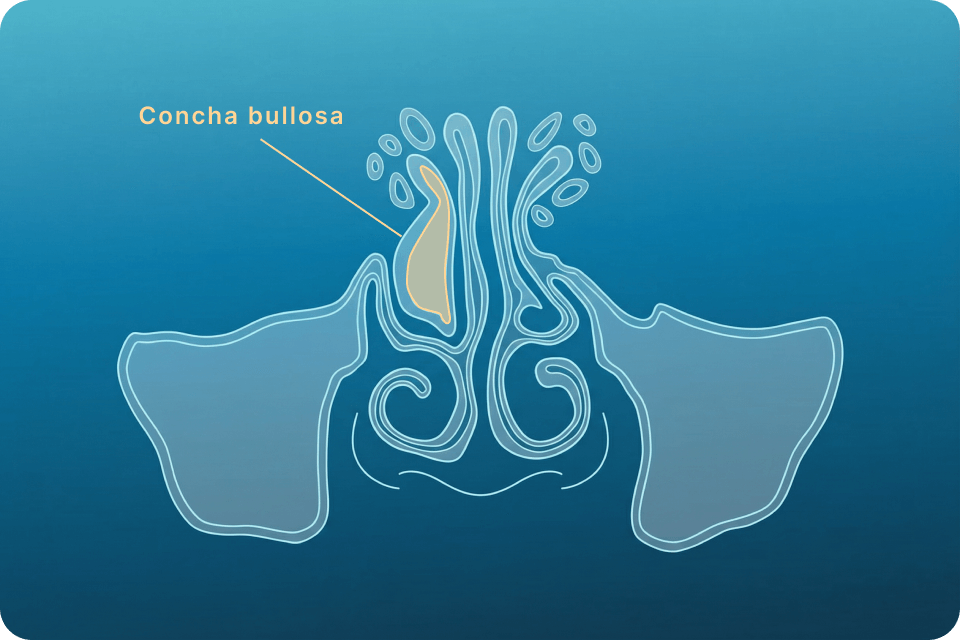
Concha Bullosa

Concha Bullosa is an anatomical variation where the middle turbinate is air-filled and enlarged.
It can:
  • Narrow the nasal airway
  • Contribute to sinus blockage
  • Cause facial pressure and headaches
Treatment involves reducing or reshaping the turbinate to restore normal airflow and sinus drainage, often combined with septoplasty or sinus surgery when needed.

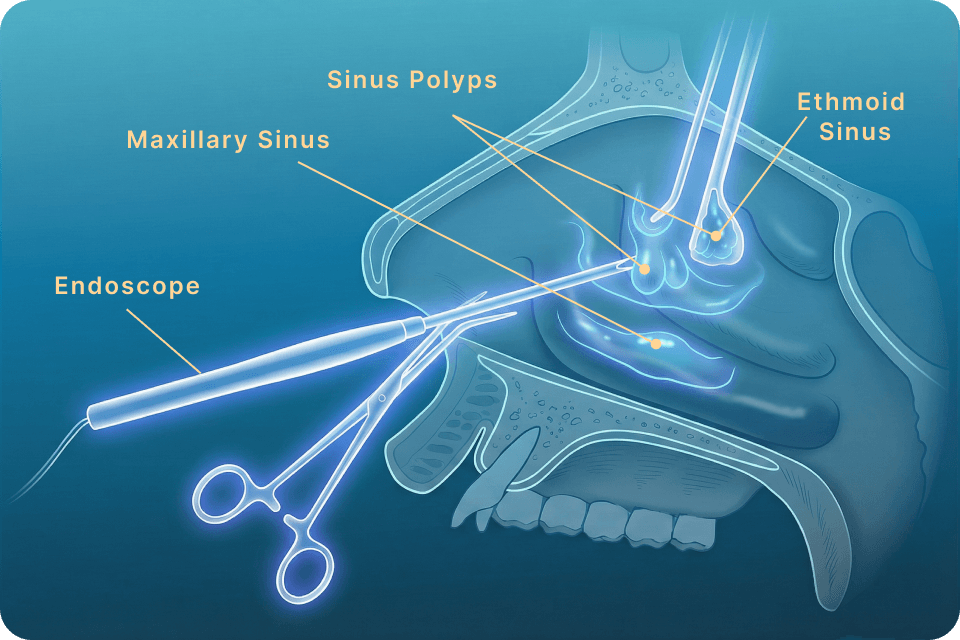
Functional Endoscopic Sinus Surgery (FESS)

FESS is a minimally invasive procedure used to treat chronic sinus disease that does not respond to medical therapy.
Using endoscopic guidance, the surgeon:
  • Opens blocked sinus pathways
  • Restores natural drainage
  • Preserves healthy tissue
FESS improves breathing, reduces infections, and enhances overall sinus function, often in combination with other functional nasal procedures.

Other Functional Nasal Surgeries

This category includes additional procedures aimed at improving nasal airflow and function, such as:
  • Nasal valve repair
  • Internal valve reinforcement
  • Structural support using cartilage grafts
Each procedure is customized based on the patient’s anatomy, symptoms, and functional needs, with the primary goal of achieving comfortable, long-term nasal breathing.