Revision Rhinoplasty

Refining results. Restoring confidence.

Revision rhinoplasty demands expertise beyond aesthetics. It’s about restoring harmony and function — with an approach tailored to you.

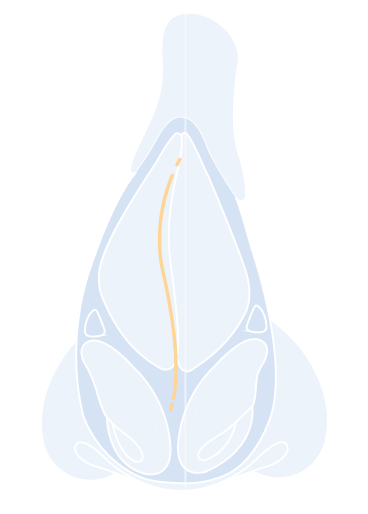
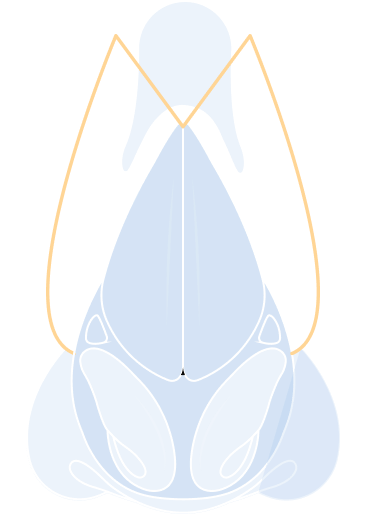
Ideal Proportions for Nasal Harmony
The balance between the nasal bridge and tip
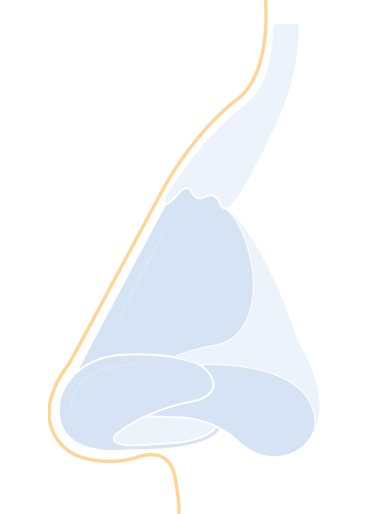
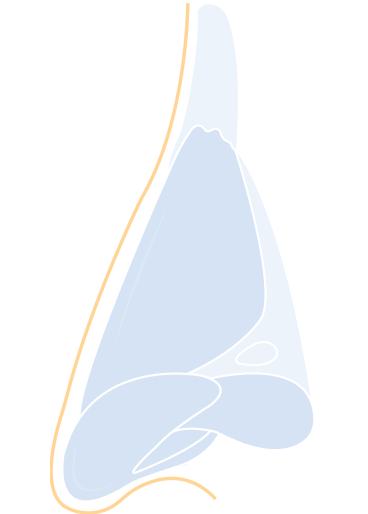
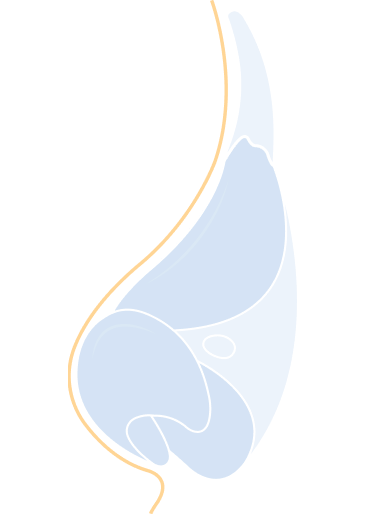
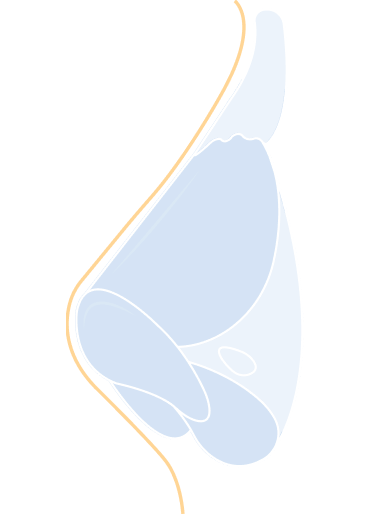
Ideal nasal angles vary individually and are evaluated according to facial harmony
Ideal Nasofrontal Angle
(Between Forehead and Nose Bridge)
Revision Rhinoplasty
Ideal Nasolabial Angle
(Between Nose and Upper Lip)
Revision Rhinoplasty

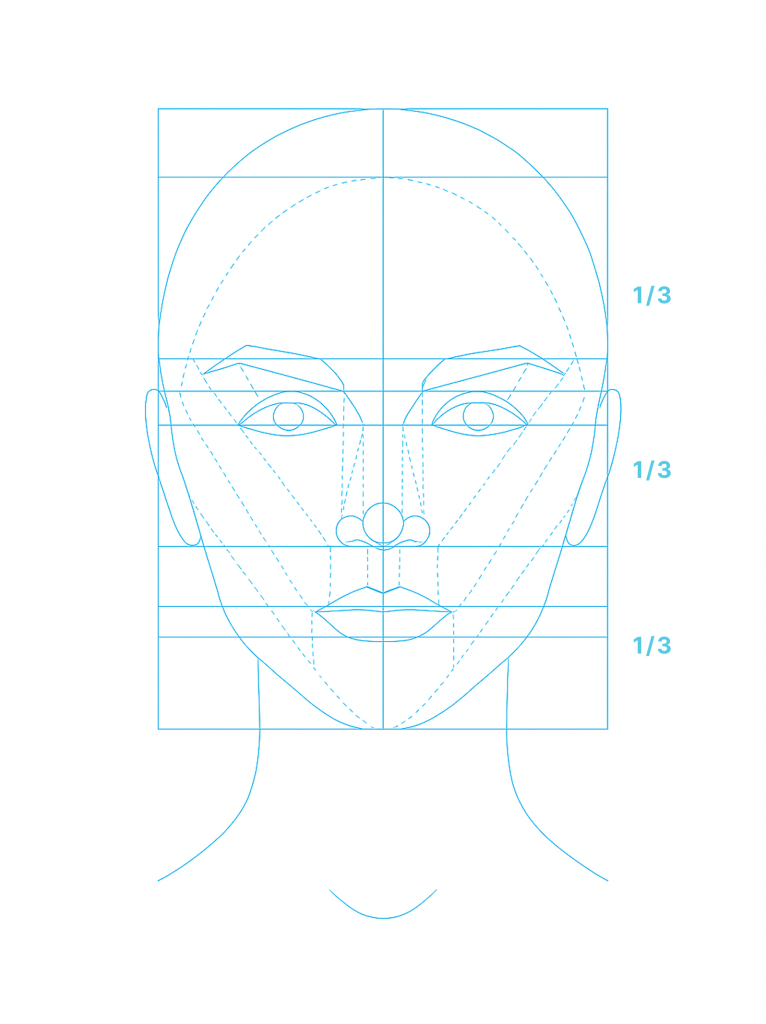
Facial proportion and nasal balance

The Facial Thirds Principle
Revision Rhinoplasty

Vision

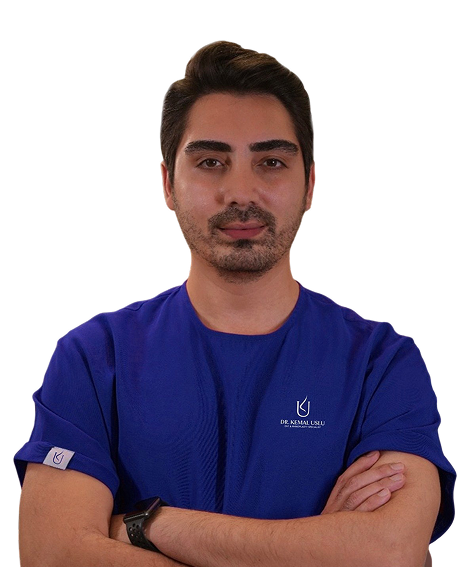
Dr. Kemal Uslu brings together artistic vision and surgical precision to achieve natural, balanced outcomes. With more than 12 years of focused experience in rhinoplasty and facial aesthetics, his work is guided by facial harmony, proportion, and subtle refinement.

Timeline

Rhinoplasty scheduler

Day -1

Arrival in Istanbul & in-person consultation
Day 0
Surgery day
Day 7
Cast, splint & tape removal (New light cast applied)
Day 8
Return home
Day 12
Final cast removal at home
1, 2, 6, 12 & 24 months
Online follow-ups

Rhinoplasty recovery follows a carefully structured timeline, designed to promote safe healing and refined, long-term results. While every patient’s experience is unique, most progress through these clearly defined stages. From the initial preparation to the final follow-ups, we accompany you at every step — before, during, and after surgery — ensuring clarity, confidence, and attentive care throughout your journey. Precision in surgery. Clarity in recovery.

Revision Rhinoplasty

Vision

Dr. Kemal Uslu brings together artistic vision and surgical precision to achieve natural, balanced outcomes. With more than 12 years of focused experience in rhinoplasty and facial aesthetics, his work is guided by facial harmony, proportion, and subtle refinement.

Seamless Experience

Patient Journey

Revision Rhinoplasty
Step 1. Online Consultation
Our doctor will meet you via video call to collect your requirements.
Step 2. Treatment Proposal
Offer is detailed so no place for any surprise for both parties.
Step 3. Reservation Deposit
With 30% of down payment process officially starts.
Step 4. Surgery Date Confirmation
Operation day and time is booked by hospital.
Step 5. Travel Date Planning
At least 1 day before the operation, you need to be in Istanbul.
Step 6. Arrival in Istanbul
At least 1 day before the operation, you need to be in Istanbul.
Step 7. Clinical Photos & Nose Simulation
1 day before operation, our doctor will host you in our clinic for detailed surgery planning and simulation steps.
Step 8. Pre-Operative Preparation
1 day before operation, pre-op blood tests & anesthesia consultation in hospital.
Step 9. Surgery Day
Latest technique is used by our doctor to meet you with your dream nose.
Step 10. Hospital Discharge
You’ll only stay 1 night at the hospital.
Step 11. Splint & Cast Removal
Splint removal and cast renewing after 7th day of operation.
Step 12. Return Home
You’re allowed to flight after 7th day of operation.
Step 13. Online Follow-Up
30th, 60th, 180th, 360th and 720th day of operations, you’re invited for video call with our doctor for controls.
Step 1. Online Consultation
Our doctor will meet you via video call to collect your requirements.
Offer is detailed so no place for any surprise for both parties.
With 30% of down payment process officially starts.
Operation day and time is booked by hospital.
At least 1 day before the operation, you need to be in Istanbul.
1 day before operation, our doctor will host you in our clinic for detailed surgery planning and simulation steps.
1 day before operation, pre-op blood tests & anesthesia consultation in hospital.
Latest technique is used by our doctor to meet you with your dream nose.
You’ll only stay 1 night at the hospital.
Splint removal and cast renewing after 7th day of operation.
You’re allowed to flight after 7th day of operation.
30th, 60th, 180th, 360th and 720th day of operations, you’re invited for video call with our doctor for controls.

Vision

Dr. Kemal Uslu brings together artistic vision and surgical precision to achieve natural, balanced outcomes. With more than 12 years of focused experience in rhinoplasty and facial aesthetics, his work is guided by facial harmony, proportion, and subtle refinement.

real results

Before & After

Revision Rhinoplasty

Meet Dr. Kemal Uslu

ENT & HEAD AND NECK SURGEON

With over 12 years of experience, Dr. Kemal Uslu is an ENT and Head and Neck Surgeon with a refined focus on facial aesthetics. His clinical practice includes rhinoplasty, facelift procedures, buccal fat removal (bichectomy), blepharoplasty, otoplasty, and comprehensive facial rejuvenation treatments.
He is a member of the European Rhinologic Society, the Facial Plastic Surgery Association, and the Turkish Society of Otorhinolaryngology & Head and Neck Surgery. Dr. Uslu is also officially certified for international health tourism and welcomes patients from around the world.
Begin your transformation journey

Revision Rhinoplasty
Scroll to Top

Introduction

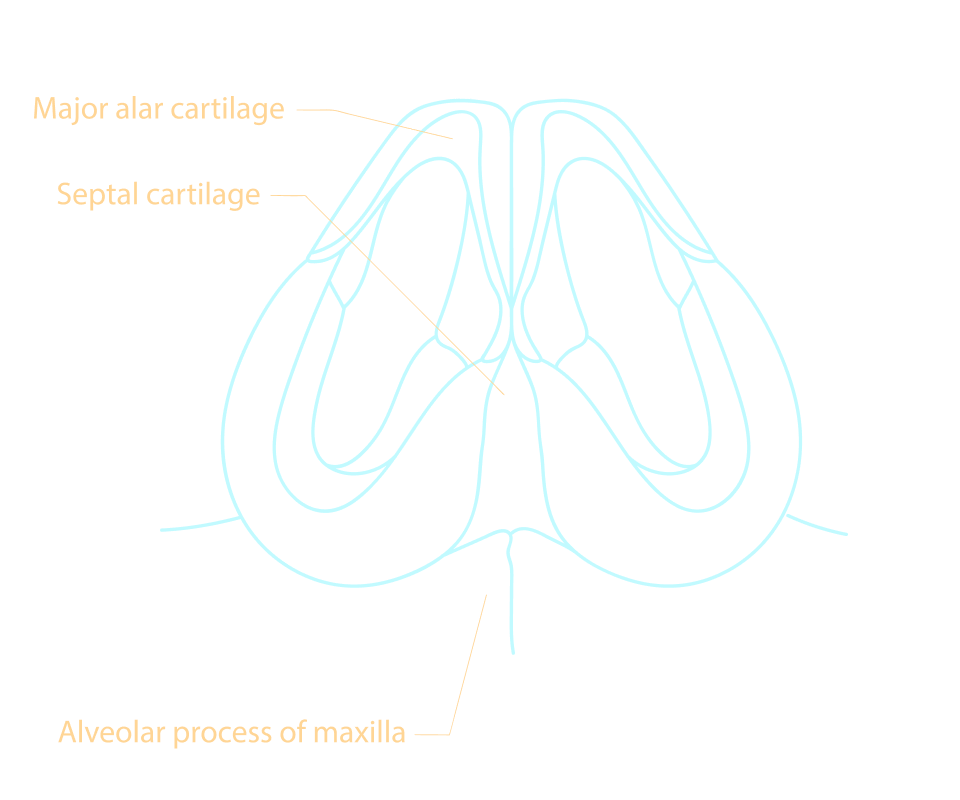
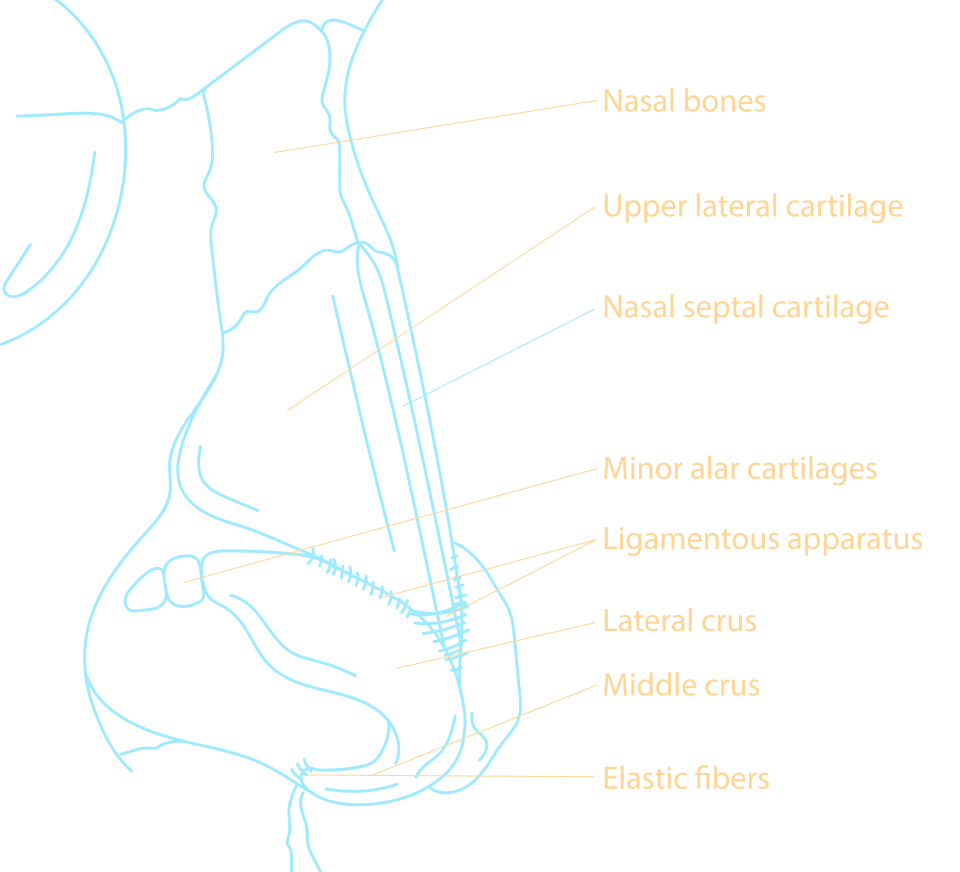
Anatomy of the nose

Understanding What’s Inside Matters

The nose is far more than a visual feature—it is a complex anatomical structure essential for breathing, airflow regulation, and overall facial balance. Successful rhinoplasty requires a deep understanding of both form and function.
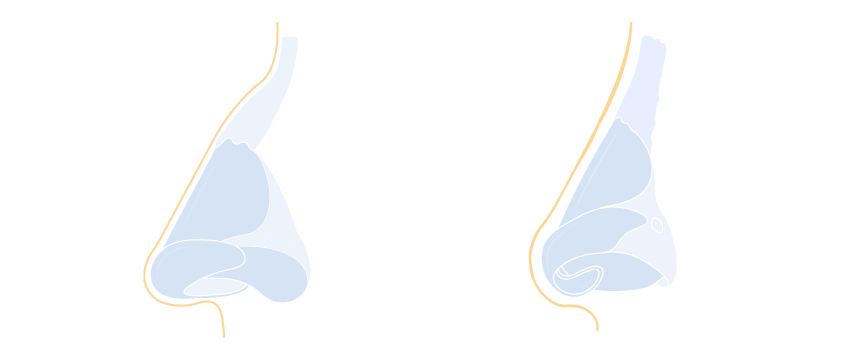
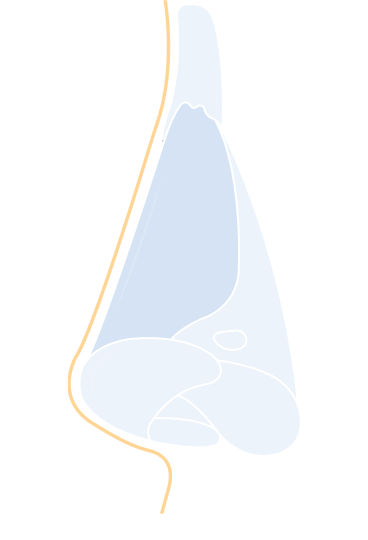
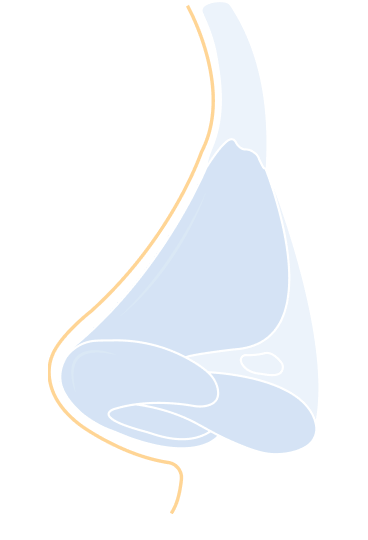
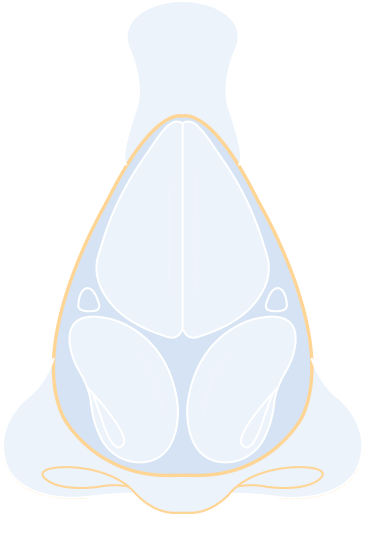
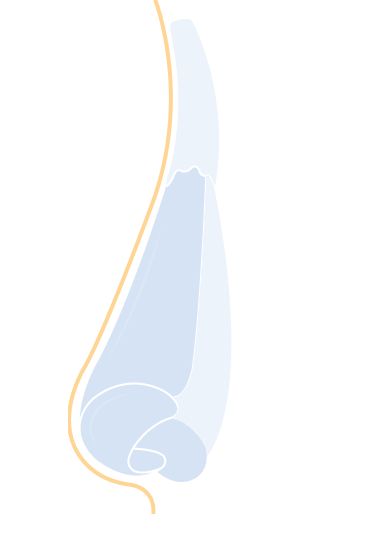
This illustration highlights the key internal structures of the nose, including:
  • Nasal septum – the central structure dividing the nasal passages
  • Turbinates – structures that humidify and filter inhaled air
  • Nasal valves – the narrowest areas controlling airflow
  • Sinuses – air-filled cavities connected to the nasal passages
Mastery of nasal anatomy is fundamental to achieving results that are not only aesthetically refined, but also functionally sound—ensuring natural appearance and healthy breathing.

What is revision rhinoplasty?

EXPERTISE, STRUCTURAL RESTORATION, AND NATURAL HARMONY

Revision rhinoplasty is a highly specialized surgical procedure performed to refine, correct, or restore the results of a previous nose surgery.
Unlike primary rhinoplasty, revision cases require a deep understanding of altered anatomy, scar tissue, and structural support. The goal is not only aesthetic refinement, but also restoring balance, function, and long-term stability — while respecting the natural proportions of the face.

Who is a candidate for revision rhinoplasty?

WHEN A SECOND PROCEDURE REQUIRES A HIGHER LEVEL OF EXPERTISE

You may be a suitable candidate for revision rhinoplasty if you:
  • Are unhappy with the aesthetic outcome of a previous nose surgery
  • Experience breathing difficulties after prior rhinoplasty
  • Have asymmetry, collapse, irregularities, or overcorrection
  • Need structural support using cartilage grafts
  • Seek a more natural, balanced, and stable long-term result
  • Are in good overall health with realistic expectations
Revision rhinoplasty is a meticulous and individualized procedure that requires advanced surgical planning, precision, and experience to achieve both functional improvement and refined aesthetics.

Techniques

Structural Grafting in Revision Rhinoplasty

Revision rhinoplasty frequently requires advanced grafting techniques to restore both form and function after previous surgery.
Due to altered anatomy, scar tissue, and loss of structural support, reinforcement with cartilage grafts is often essential to achieve stable, long-lasting results.

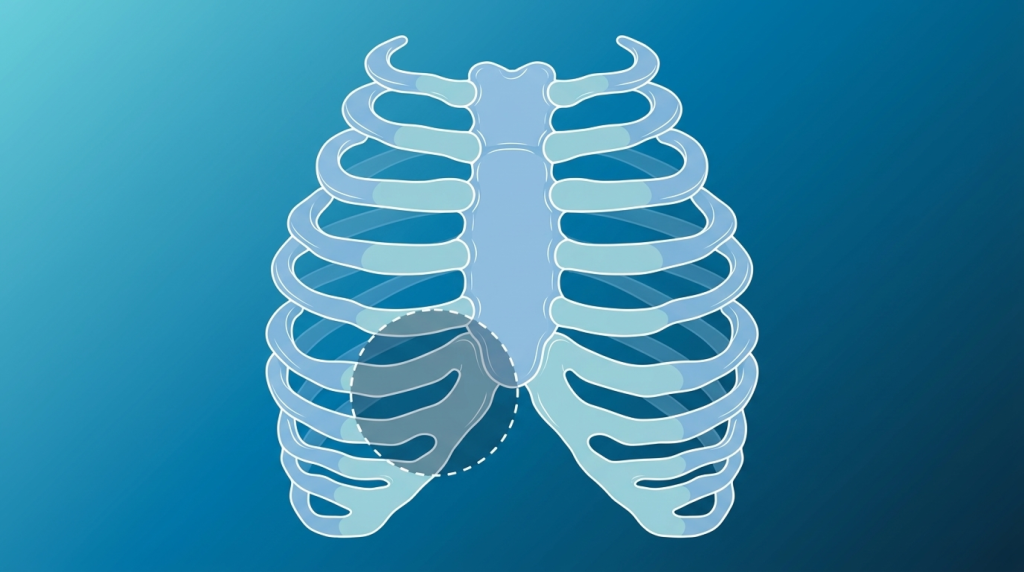
Rib Cartilage (Costal Cartilage) Grafting

Rib cartilage
Rib cartilage is considered the gold standard for complex revision rhinoplasty cases where strong structural support is required.
It is commonly used to rebuild the nasal framework, correct collapse, restore projection, and provide long-term stability — especially when septal cartilage is no longer available.

  • Provides strong and durable support
  • Ideal for severe deformities and multiple revisions
  • Allows precise reshaping of the nasal structure

Donor and Alternative Cartilage Grafts

In selected revision cases, alternative cartilage sources may be used when the patient’s own cartilage is insufficient.
These grafts are carefully selected and shaped to restore symmetry, improve breathing, and refine contour while maintaining a natural appearance.
Each revision rhinoplasty is uniquely planned based on the patient’s anatomy, previous surgical history, and functional needs.
Advanced grafting techniques allow for precise reconstruction, improved airflow, and refined aesthetics — with a focus on long-term stability rather than short-term appearance.

Ultrasonic piezo technique

Less trauma. Greater precision. Enhanced healing.

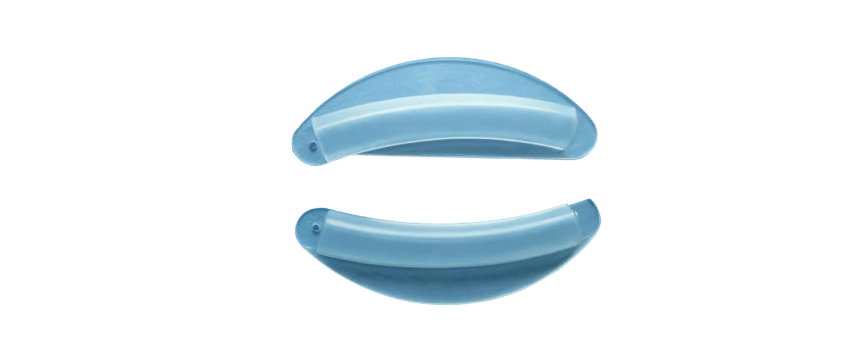
Dr. Uslu utilizes ultrasonic Piezo technology to reshape nasal bones with exceptional accuracy while preserving surrounding soft tissues. Unlike traditional methods, this technique allows controlled bone modification without unnecessary trauma.
Benefits of Piezo Rhinoplasty:
  • Reduced swelling and bruising
  • Precise, controlled bone shaping
  • Preservation of surrounding tissues
  • More comfortable and predictable recovery
This advanced technique is suitable for both primary and revision rhinoplasty cases.

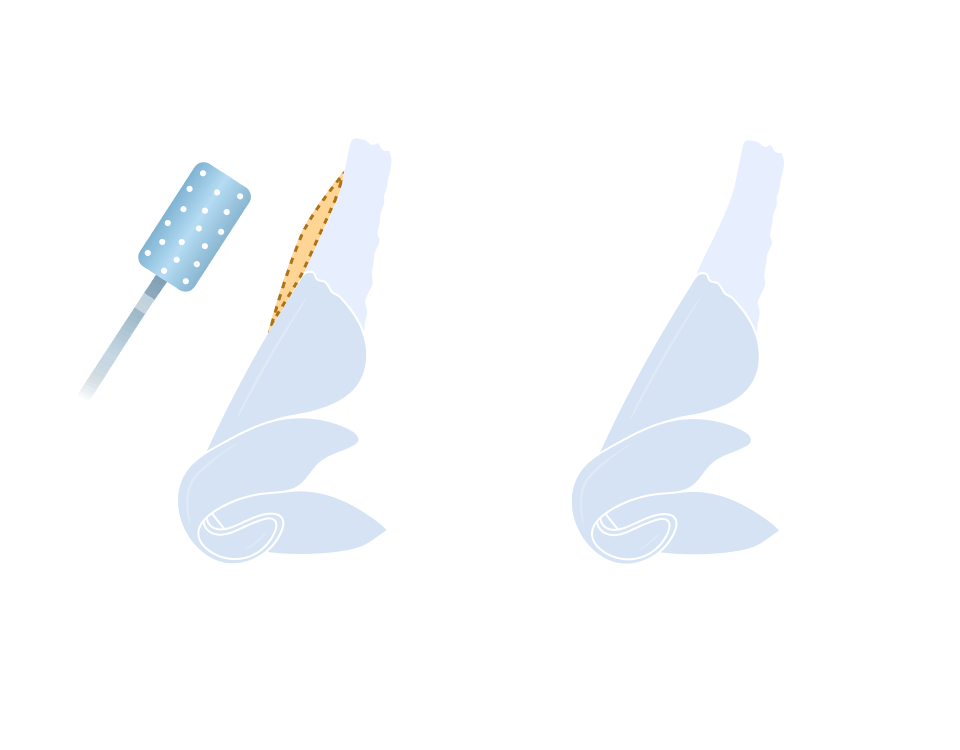
Burr device for bone refinement

Ultra-fine finishing for smoother contours

For subtle refinements of nasal bone shape and surface irregularities, Dr. Uslu utilizes a high-speed surgical burr. This rotating instrument allows controlled smoothing of bony edges, helping achieve a more refined and natural dorsal contour.

The burr device is particularly beneficial for thin-skinned patients, where even minimal surface irregularities may be visible after surgery. When used with precision, it enhances surface smoothness and contributes to a more polished final result.

Process

Rhinoplasty Step-by-Step: What to Expect

Step 1
Anaesthesia: A Comfortable Start
Your procedure begins with anaesthesia to ensure complete comfort throughout surgery. Depending on your individual needs, this may involve either general anaesthesia (fully asleep) or local anaesthesia with light sedation. Your safety and comfort are carefully monitored at every stage.
Step 2
Rib Cartilage Harvesting (When Required)
In complex revision rhinoplasty cases, additional cartilage may be required to rebuild and reinforce the nasal structure.
When necessary, a small section of rib cartilage is carefully harvested through a discreet incision on the chest. This step is performed with precision to ensure patient comfort, structural integrity, and minimal scarring.
The harvested cartilage is then meticulously shaped and prepared for nasal reconstruction.
Step 3
Precise Incisions: Minimal and Discreet

Rhinoplasty is performed through very small, carefully planned incisions:

  • Closed technique: all incisions are made inside the nostrils, leaving no visible scars.
  • Open technique: a single, fine incision is placed beneath the nose (between the nostrils), combined with hidden internal incisions, allowing enhanced precision when needed.
Step 4
Gentle Exposure of the Framework
The nasal skin is delicately lifted to reveal the underlying bone and cartilage structure. This controlled exposure allows the surgeon to work with clarity and precision while preserving the surrounding tissues.
Step 5
Reshaping the Nose: The Core of the Procedure
This stage is tailored entirely to your anatomy and goals:
  • Nasal bridge (dorsum): humps may be smoothed and deviations corrected
  • Nasal tip: refined to improve definition, balance, projection, or angle
  • Nostrils: adjusted if they appear wide or asymmetrical
  • Cartilage grafts: added when necessary to enhance support, structure, or long-term stability
  • Nasal bones: gently repositioned to improve symmetry and harmony
Step 6
Breathing Improvement (When Indicated)
If functional concerns are present, aesthetic refinement can be combined with breathing correction:
  • A deviated septum may be straightened
  • Enlarged turbinates can be reduced
This approach enhances both nasal airflow and overall balance.
Step 7
Closure: Restoring the Skin
Once reshaping is complete, the skin is carefully re-draped over the new nasal framework. Fine sutures are used to close the incisions with precision and care.
Step 8
Internal Support & Protection
At the end of the procedure, soft internal splints are placed inside the nose to support healing and maintain the new structure.
These are typically removed within the first week. External dressings may be applied depending on the technique used.
Recovery Timeline
  • First week: swelling and bruising are most noticeable; internal splints are usually removed around day 7
  • 2–3 weeks: bruising resolves and swelling significantly decreases
  • 3–6 months: the nose continues to refine as tissues adapt
  • Up to 12 months: the final result gradually settles and becomes fully visible
In Summary
Rhinoplasty is a carefully planned, highly individualized procedure that balances aesthetics and function. Each step is performed with precision, respect for anatomy, and a long-term vision—aimed at achieving natural harmony and lasting results.