Introduction
Botox is one of the most performed aesthetic procedures worldwide.
Search terms such as:
- botox
- botox before and after
- how long does botox last
- botox for forehead lines
- botox cost in Turkey
- is botox safe
are searched millions of times each year.
Despite its popularity, many patients still misunderstand how Botox works, how long it lasts, and whether it is safe.
Botox is not a filler.
It does not add volume.
It works by temporarily relaxing specific facial muscles that cause dynamic wrinkles.
When performed properly, Botox softens lines while preserving natural facial expression.
Understanding mechanism, longevity, safety, and proper technique is critical for achieving refined and natural results.
What Is Botox?
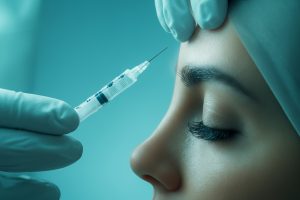
Botox is a purified form of botulinum toxin type A.
In aesthetic medicine, it is used in very small, controlled doses to temporarily reduce muscle activity.
It is FDA-approved for both medical and cosmetic use.
Common treatment areas include:
- Forehead lines
- Frown lines (glabellar lines)
- Crow’s feet
- Bunny lines
- Chin dimpling
- Neck bands
Botox works by blocking nerve signals to targeted muscles, reducing repetitive contraction that creates wrinkles.
How Botox Works (Muscle Physiology Explained)
Facial wrinkles form primarily due to repeated muscle contractions over time.
For example:
- Raising eyebrows → forehead lines
- Frowning → vertical glabellar lines
- Smiling → crow’s feet
Botox interrupts the communication between nerve endings and muscle fibers.
As muscle contraction decreases:
✔ Skin smooths out
✔ Dynamic wrinkles soften
✔ Preventative anti-aging effect begins
Botox does not “freeze” the face when applied correctly. It simply reduces excessive contraction.
Dynamic vs Static Wrinkles
Understanding wrinkle types is essential.
Dynamic Wrinkles
Appear during facial movement.
Best treated with Botox.
Static Wrinkles
Visible even at rest.
May require combination treatment (Botox + fillers or skin resurfacing).
Botox is ideal for early to moderate dynamic lines.
How Long Does Botox Last?
One of the most common questions is:
“How long does Botox last?”
Average duration:
- 3 to 4 months
In some patients:
- Up to 5–6 months
Longevity depends on:
- Metabolism
- Muscle strength
- Injection technique
- Dosage
- Area treated
Patients with stronger facial muscles may metabolize Botox faster.
Regular treatments often extend longevity over time.
Botox Before and After: What to Expect
Day 1–3
No immediate dramatic change.
Day 4–7
Muscle activity gradually decreases.
Day 10–14
Full effect visible.
Results should look:
✔ Natural
✔ Relaxed
✔ Balanced
✔ Not frozen
The best Botox results are subtle.
People should say “you look refreshed” — not “you had Botox.”
Is Botox Safe?
Botox has been used for decades in both cosmetic and medical fields.
When administered by trained professionals:
✔ Safe
✔ Predictable
✔ Minimal downtime
✔ Very low complication rate
Common mild side effects:
- Temporary redness
- Minor swelling
- Small bruise
Rare complications:
- Eyelid droop (temporary)
- Asymmetry
- Headache
Proper injection technique significantly reduces risk.
Botox vs Fillers: What Is the Difference?
Many patients confuse Botox with dermal fillers.
Botox:
- Relaxes muscles
- Treats dynamic wrinkles
- Preventative
Fillers:
- Add volume
- Correct static folds
- Restore structure
They serve different purposes but are often combined.
Preventative Botox: Does It Work?
Preventative Botox is increasingly popular among patients in their late 20s and early 30s.
By reducing repetitive muscle contraction:
- Deep lines are prevented
- Skin creasing slows
- Long-term aging is softened
Early intervention can delay more invasive procedures.
Botox in Turkey: Cost & International Guide
Botox cost in Turkey varies depending on:
- Units used
- Clinic reputation
- Injector experience
- Geographic location
Turkey offers competitive pricing compared to UK and Europe.
However, patients should prioritize:
✔ Qualified injectors
✔ Medical supervision
✔ Proper product sourcing
Low-cost, unregulated treatments increase risk.
Suitable for
Who Is a Good Candidate?
Ideal candidates:
- Dynamic wrinkles
- Good skin quality
- Realistic expectations
- Non-pregnant patients
Botox is not recommended during pregnancy or certain neurological conditions.
When Should Botox Be Avoided?
Avoid Botox if:
- Active infection at injection site
- Neuromuscular disorders
- Pregnancy or breastfeeding
Medical consultation is essential.
Frequently Asked Questions
Does Botox hurt?
Minimal discomfort; small injection with fine needle.
Can Botox look natural?
Yes — when properly dosed.
How often should I repeat Botox?
Every 3–4 months.
Does Botox prevent aging?
It slows wrinkle formation but does not stop aging.
Can men get Botox?
Yes. “Brotox” is increasingly common.
What happens if I stop Botox?
Muscle activity gradually returns to normal.
Long-Term Effects of Botox
Long-term Botox use is generally safe.
Regular treatments may:
- Weaken overactive muscles
- Extend treatment intervals
- Reduce wrinkle depth permanently
There is no evidence of long-term facial damage when properly administered.
Botox remains one of the most effective, minimally invasive anti-aging treatments available today.
When performed with anatomical precision and balanced dosing, it softens wrinkles, prevents deep lines, and maintains natural expression.
Choosing a qualified injector and understanding realistic expectations are key to achieving refined, long-lasting results.